For as long as competitive gaming has existed, becoming a professional player has been the ultimate goal.
The big stages, the championship trophies, the org jerseys — that was the dream.
But something is shifting in the esports world, and it’s worth paying attention to.
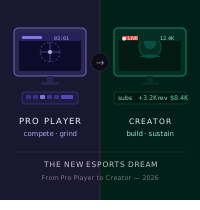
More and more pro players are stepping away from the grind of competition — not because they failed, but because they’ve found something better.
The Money Is Talking
Let’s be honest: money matters.
And right now, the math is starting to favor content creation over competition for a lot of players.
A streamer with a loyal following can pull in consistent income through subscriptions, donations, and brand deals — month after month, regardless of whether their team wins or loses.
Pro players, on the other hand, are often tied to contracts that can dry up the moment their performance dips or their team disbands.
The ceiling for a top content creator? It can easily rival — or exceed — what most pro players ever see in their careers.
The Rise of Creator-Owned Teams
One of the most fascinating developments in recent years is the rise of influencer-owned esports organizations.
Streamers and content personalities are launching their own teams, and these aren’t vanity projects — they’re real competitive outfits with real rosters.
The difference is that entertainment and competition are baked in from day one.
And because these creators already come with a built-in audience, attracting sponsors and viewers is a whole lot easier than it is for traditional orgs starting from scratch.
The Grind Is Real — And It Takes a Toll
Anyone who thinks pro gaming is just playing video games all day hasn’t been paying attention.
It’s grueling. It’s scrims at midnight, constant travel, relentless pressure to perform, and a career shelf life that can end before you hit 25. Burnout is real, and it’s common.
Content creation offers something rare in esports: sustainability. Players can stay connected to the games and communities they love, build something on their own terms, and do it without the same punishing demands on their mental and physical health.
The Line Is Blurring — And That’s Okay
What does it even mean to be an “esports professional” in 2026? The answer is more complicated than it used to be.
Competition and entertainment are no longer separate lanes — they’re merging. And for many players, the smartest move isn’t chasing one more championship. It’s building a brand that can carry them far beyond their playing days.
The esports dream isn’t dead. It’s just evolving.